
When Extremes Mirror Each Other:
Why Antifa’s Flag Feels Uncomfortably Familiar
One of the stranger features of modern politics is how often movements that claim to be ideological opposites end up looking remarkably alike.
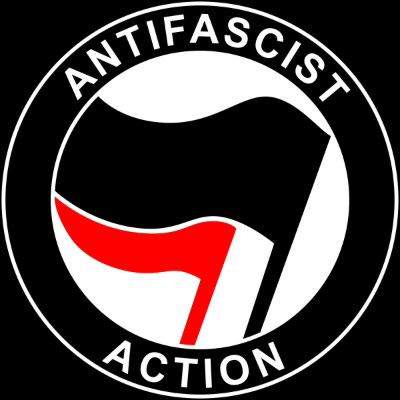
Take the modern Antifa flag: stark black and red, bold shapes, high contrast, unmistakably militant. For many people, it triggers an immediate sense of aggression or confrontation — even before a single word is spoken. That reaction isn’t accidental, and it isn’t new.
The language of colour is older than the movements using it
Black and red have been part of European radical symbolism for well over a century.
Red has long represented revolution, blood, struggle, and socialist or communist movements.
Black has been associated with negation, anarchism, rejection of the existing order, and sometimes death itself.
Together, they form a visual shorthand for conflict and mobilisation. These colours were never meant to soothe or reassure; they were designed to signal disruption.
The modern Antifa flag traces its roots back to Antifaschistische Aktion, a militant organisation formed in Weimar Germany in the early 1930s. Its visual identity was explicitly confrontational, intended for street politics rather than persuasion or debate.
Why the imagery feels familiar — even unsettling
What many people instinctively notice is that this aesthetic strongly resembles imagery used by other historical extremist movements, including those Antifa claims to oppose.
Hard lines.
High contrast.
Minimal symbolism.
Emotion over explanation.
The same design logic underpinned:
revolutionary communist movements
militant anarchist groups
and, historically, authoritarian regimes that relied on mass mobilisation
Even symbols such as the Iron Cross — which long predate Nazism — became visually “loaded” because of how aggressively they were reused by later regimes. Over time, the emotional response overtook the historical nuance.
Different ideologies.
Strikingly similar visual grammar.
Extremes often converge — visually, if not philosophically
This is uncomfortable for people who prefer to see politics as a simple moral spectrum of good versus evil. But history doesn’t work that way.
Extremes — whether far left or far right — tend to:
favour absolutism over nuance
reject gradual reform
glorify struggle and confrontation
Their aesthetics reflect this. The goal is not calm persuasion but identity formation, tribal loyalty, and emotional intensity.
That’s why movements that insist they are polar opposites can still trigger the same visceral reaction in ordinary people. The brain recognises the style long before it processes the slogan.
Why this matters now
In today’s climate, symbolism often speaks louder than policy. Most people don’t research the historical lineage of flags or colours; they react instinctively.
When movements adopt aggressive, historically loaded imagery, they shouldn’t be surprised when the public responds with suspicion rather than trust — regardless of the movement’s stated aims.
This also explains why many people feel alienated by modern activism even when they might agree with parts of its stated goals. The aesthetic communicates conflict, not inclusion.
A quiet lesson in restraint
There’s a broader lesson here, especially for anyone engaged in commentary or public debate:
imagery narrows conversation; ideas widen it.
Once symbols take centre stage, discussion collapses into reaction. Context disappears. Intent gets overwritten by perception.
That’s why historically literate people often prefer words over visuals, voice over spectacle, and restraint over theatricality. Not because symbols have no meaning — but because they have too much baggage to be used carelessly.